
Pre Order and get your goods in few hours in Calais
Read more >
1 Choose your alcohol
Add your products to your basket and checkout, your order will be sent to the store.

2 Enjoy Travelling In Calais
Picking your Goods in our stores in Calais

3 15% Vat Back !!!
Get your Vat Back up to 15% when you return in United Kingdom
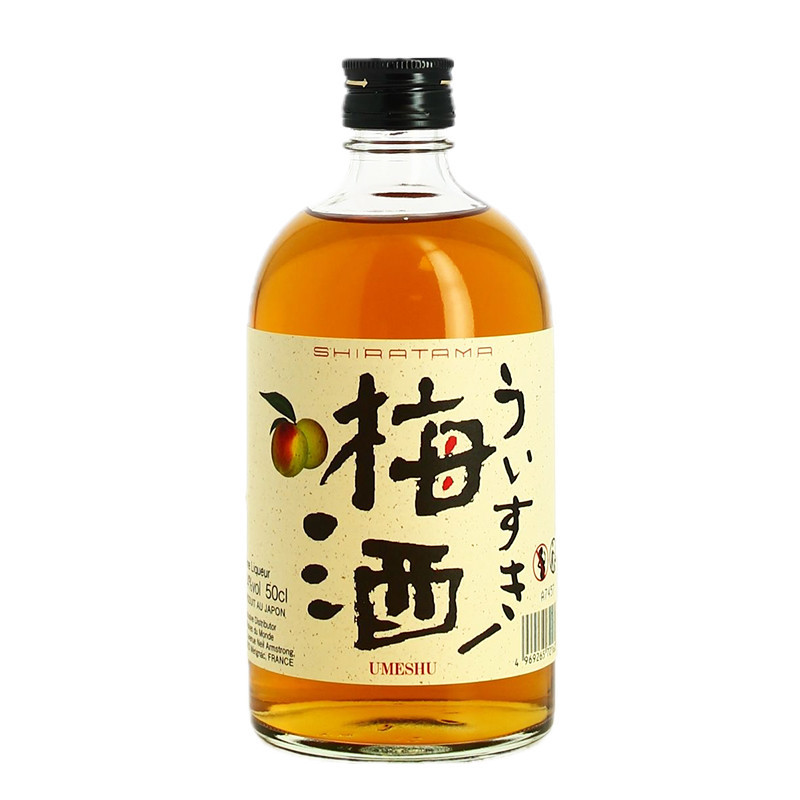
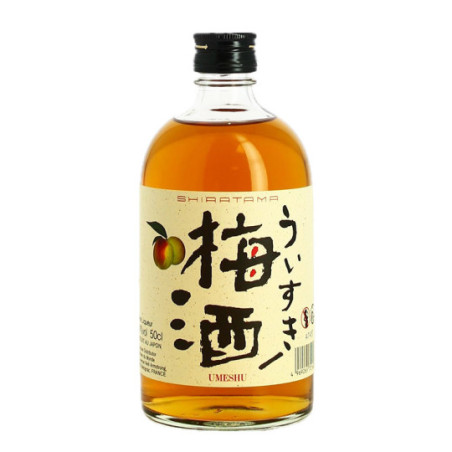
Shiratama Umeshu 50cl is a traditional Japanese plum liqueur produced by Eigashima Shuzo in Akashi, Hyōgo Prefecture, Japan.
Made by macerating Japanese ume fruit in shochu, this distinctive liqueur is enhanced with sugar and a small amount of whisky.
The addition of whisky gives Shiratama an individual character while preserving the fruity identity of traditional umeshu.
On the nose, generous aromas of damson plum combine with honey and almond.
The palate is smooth and rounded, revealing ripe plum and candied apple flavours.
A gentle note of black cherry provides a soft, lingering finish.
The natural acidity of the ume fruit balances the liqueur's sweetness and adds freshness.
Bottled at 14% ABV, Shiratama Umeshu is best enjoyed chilled or over ice.
It can also be mixed with sparkling water to create a refreshing Japanese-style aperitif.
Its fruity character pairs well with almond pastries, apple desserts and fruit-based sweets.
Description
Discover a Traditional Japanese Plum Liqueur
Shiratama Umeshu is a Japanese fruit liqueur produced by Eigashima Shuzo in Akashi, Hyōgo Prefecture.
Umeshu is a traditional Japanese drink made by macerating ume fruit in alcohol and adding sugar.
Although ume is commonly called Japanese plum, the fruit is botanically closely related to the apricot.
It is valued for its distinctive fragrance and naturally tart character.
Shiratama offers a particular interpretation of this traditional liqueur by combining shochu with a small amount of whisky.
The Heritage of Eigashima Shuzo
Eigashima Shuzo is a historic Japanese producer associated with sake, shochu and whisky.
The company is based in Akashi, near Japan's Seto Inland Sea.
It is also known internationally for the Akashi whisky range.
Its experience with different types of Japanese alcoholic drinks contributes to the distinctive identity of Shiratama Umeshu.
This liqueur combines a traditional fruit maceration process with an ingredient more commonly associated with Japanese whisky production.
Macerated Ume Fruit and Shochu
The production process begins with Japanese ume fruit.
The fruit is macerated in shochu, a traditional Japanese distilled spirit.
This allows the alcohol to extract the fruit's characteristic aromas.
Sugar is added to balance the natural tartness of the ume.
A small amount of whisky is then incorporated into the blend.
This addition brings further aromatic complexity while allowing the plum flavours to remain dominant.
The producer does not specify the exact maceration period or the proportions of the individual ingredients.
Tasting Notes: Damson Plum, Honey and Almond
Shiratama Umeshu has an attractive golden colour with amber reflections.
The nose opens with rich damson plum aromas.
Honey adds a sweet aromatic dimension, while almond contributes a delicate nutty note.
On the palate, the liqueur is smooth and rounded.
Ripe plum flavours are complemented by candied apple.
The natural fruit acidity helps balance the sweetness.
The finish is soft and lingering, with a distinctive black cherry note.
The overall character is fruity, generous and pleasantly refreshing.
How to Serve Shiratama Umeshu
This Japanese plum liqueur is particularly enjoyable when served chilled.
A temperature of approximately 8–10°C highlights its fresh fruit character.
It can be enjoyed neat in a small glass or poured over ice.
For a lighter drink, combine Shiratama with sparkling water to prepare an Umeshu Soda.
Adding a twist of lemon provides extra freshness.
The liqueur can also be used in cocktails where its plum and almond notes complement citrus ingredients.
Food Pairings and Desserts
Shiratama Umeshu pairs naturally with almond-based desserts.
Try it alongside an almond tart, apple cake or fruit pastries.
Its combination of sweetness and acidity also works well with desserts featuring apricots, peaches or other yellow fruits.
This versatile Japanese liqueur offers an interesting introduction to the traditional world of umeshu.
Informations
You might also like